Latcham Art Centre is open today from
10:00am to 8:00pm

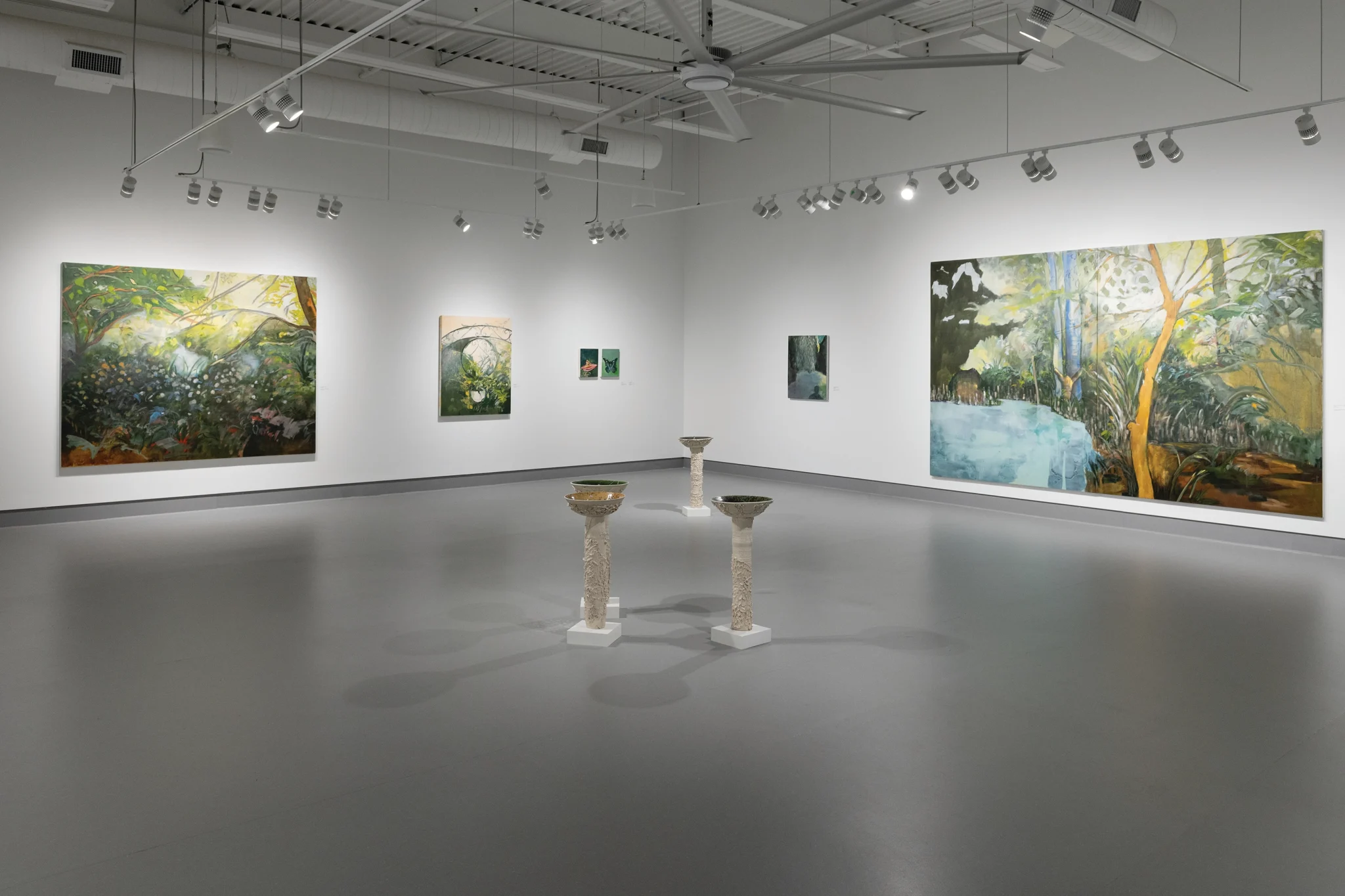
Founded in 1979 by local artists and visionaries, Latcham Art Centre (formerly The Latcham Gallery) was named for philanthropist Arthur Latcham, who supported the original space at 6240 Main Street. The first director was internationally recognized sculptor Ron Baird.
In August 2018, the organization moved to a newly built space in the Stouffville Leisure Centre (2 Park Drive). With refreshed branding, Latcham Art Centre offers opportunities for people to see art, talk about art, and create art with the same passion and dedication.
Latcham Art Centre was amalgamated with the Stouffville Library in 2021, operating as a separate, charitable organization under the guidance of the Library’s Board of Directors.
Host 12 exhibitions annually across diverse media, reflecting the cultural diversity of our province.
Offer education and public programs, ranging from school visits to public lectures, talks, workshops, classes, and curator/artist-led tours.
Present annual community exhibitions, including a juried exhibition, a graduating high school show, and a primary/elementary school showcase.
Support community practice by facilitating public art projects, offering free Latcham Saturdays programming for all ages, and taking part in the Stouffville Studio Tour each October.
Latcham Art Centre creates opportunities for connection, sharing, and creative exploration. It is a welcoming, creative space that inspires discussion, reflection, and art making practices. Our programming reflects a commitment to inclusion, diversity, and community.
Latcham Art Centre acknowledges this land is the treaty territory of the Williams Nations. It is also the traditional territory of other Anishinaabeg peoples, the Huron-Wendat, and the Haudenosaunee. We also recognize the contributions of all Indigenous peoples to this place and commit to a continued dialogue and greater respect for the land we have come to share. This recognition of the contributions and historic importance of Indigenous peoples must also be clearly and overtly connected to our collective commitment to make the promise and the challenge of Truth and Reconciliation real in our community.